Random Letter Games: 10 Word Game Ideas to Try
All you need for a great word game is a single letter and a little imagination. Random letter games turn that one letter into a challenge, a race, or a round of laughs, and they work everywhere: family game night, long car rides, classrooms, and parties. No board, no pieces, no setup. Just spin for a letter and play.
The beauty of letter-based games is how flexible they are. The same letter can power a five-minute warm-up or an hour-long tournament. Kids build vocabulary without realizing they are learning, adults discover how competitive they are about spelling, and everyone gets that little thrill when a tricky letter like Q or Z shows up. Grab a free decision wheel or a random letter generator, gather your players, and try the ten ideas below.
Each game includes the basic rules and a twist to keep it fresh. Play them in order, pick your favorites, or invent your own variations. The letter is random, but the fun is guaranteed.
Table of Contents
- Why Letter Games Are So Addictive
- How to Set Up a Random Letter Game
- 10 Random Letter Game Ideas
- Tips for a Great Letter Game Night
- Frequently Asked Questions
Why Letter Games Are So Addictive
Letter games hit a sweet spot between skill and luck. The random letter is pure luck, but what you do with it is pure skill. That mix keeps everyone engaged because anyone can win the draw, yet the cleverest player usually wins the round. It is the same tension that makes word games like Scrabble enduring: chance deals the hand, and brains play it.
They are also wonderfully fair across ages. A seven-year-old and a grandparent can play the same letter game because the difficulty scales naturally. Younger players aim for simple words while older players chase obscure ones, and both feel the same rush when they beat the timer. Few game formats welcome such a wide range of players without anyone feeling patronized or overwhelmed.
Then there is the social energy. Letter games are loud. People shout answers, argue about whether a word counts, and groan together when the letter is X. That shared noise is what turns a quiet evening into a memorable one. The games practically run themselves once everyone understands the rules, which means the host gets to play too.
Finally, letter games are learning in disguise. Players stretch their vocabulary, practice quick thinking, and discover words they never knew. Teachers love them for this reason, but the players never feel like they are studying. It is the rare activity that parents, teachers, and kids all agree is worthwhile.
How to Set Up a Random Letter Game
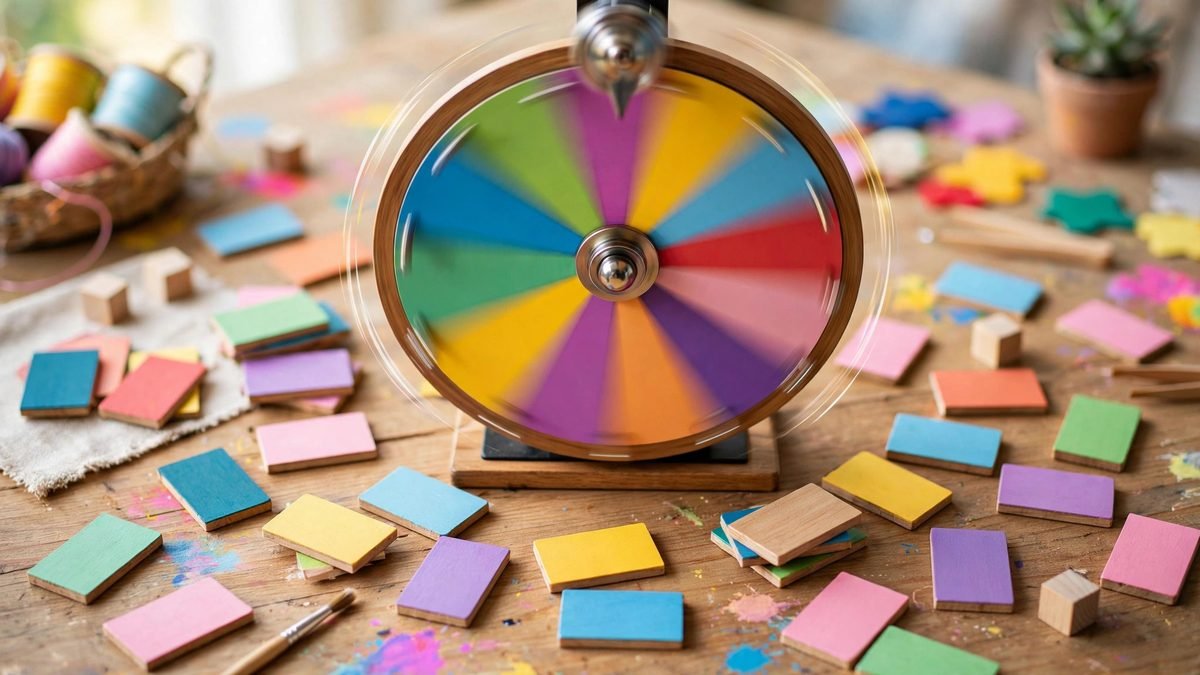
Setup takes about a minute. First, decide how you will draw the letter. A random letter generator on a phone works perfectly and keeps things honest, since nobody can accuse anyone of picking favorites. A spinning wheel with the alphabet on it adds drama, especially with kids. In a pinch, closing your eyes and pointing at a book page works too.
Next, agree on the ground rules before the first round. Decide whether proper nouns count, whether plurals are allowed, and who judges disputed words. A phone dictionary settles arguments fast. Setting these rules upfront prevents the mid-game debates that can sour an otherwise fun evening.
Choose a scoring system that fits your group. Simple point-per-word works for casual play. Awarding bonus points for longer words or unusual letters adds strategy for competitive groups. For kids, consider teaming up so younger players contribute without pressure. The right scoring keeps everyone in the game until the final round.
Keep rounds short and snappy. Two to three minutes per round is the sweet spot: long enough to think, short enough to stay exciting. Play best-of-five or first-to-twenty points so the session has a natural arc. And always have the next letter ready to draw the moment a round ends, because momentum is everything.
10 Random Letter Game Ideas
Ten games, one letter each. Every game below works with two or more players and needs nothing but the letter.
1. Category Sprint
Draw a letter and name a category, like animals or foods. Players take turns naming something in that category starting with the letter. Hesitate for more than five seconds and you are out. Last player standing wins the round. The twist: let the winner pick the next category, which rewards both speed and strategy.
2. Word Chain
Draw a letter to start. The first player says a word beginning with it, and each following word must start with the last letter of the previous word. If someone repeats a word or stalls, they sit out the round. The twist: ban words shorter than four letters to force bigger thinking as the chain grows.
3. Alphabet Story
Draw a letter and build a story one sentence at a time, with each sentence starting with the next letter of the alphabet after the drawn one. The stories get gloriously weird fast. The twist: give bonus points for sentences that make the group laugh, voted by applause.
4. Letter Auction
Draw a letter and give everyone one minute to write down as many words starting with it as they can. Each unique word scores a point, but any word two players share scores zero. The twist: double points for words longer than seven letters, which pushes players past the obvious answers.
5. Backward Spelling Bee
Draw a letter, then take turns spelling words that start with it, but spelled backward, letter by letter. One stumble and you are out. It sounds easy until you try it under pressure. The twist: let the audience pick the words to spell, which turns spectators into gleeful saboteurs.
6. The Forbidden Letter
Draw a letter and ban it. Players hold a normal conversation for two minutes without using any word containing that letter. Slip up and you lose a point. Common letters like E or A make this brutally hard. The twist: play in pairs, where your partner can call out your mistakes for their own points.
7. Rhyme Race
Draw a letter and name a starting word with it. Players race to call out rhymes, going around the circle. Miss your turn or repeat a rhyme and you are out. The twist: switch to a new starting word every full round so nobody can coast on a memorized rhyme list.
8. Two-Letter Teams
Draw two letters instead of one. Teams compete to find words containing both letters, in any position. Longer words and words where the letters sit together score more. The twist: roll a dice roller to set a minimum word length for the round, which keeps every draw feeling fresh.
9. Guess the Word
One player draws a secret letter and thinks of a word starting with it. The others ask yes-or-no questions to guess it, with only ten questions allowed. The twist: if the group fails, the thinker reveals the word and earns the points, which makes everyone choose delightfully obscure words.
10. Lightning Categories
Draw a letter and shout a category. The first player to name three things in that category starting with the letter wins the round and picks the next category. It is fast, loud, and perfect as a party finale. The twist: for the championship round, settle ties with a coin flip to crown the ultimate winner.
Tips for a Great Letter Game Night
A few small touches turn a casual round of letter games into an evening people talk about for weeks.
- Mix ages into teams. Pair kids with adults so younger players learn new words and older players stay humble. Mixed teams also keep the scores close.
- Rotate the game, not just the letter. Play three or four different games in a session instead of grinding one. Variety keeps energy high and lets different skills shine.
- Keep a dictionary handy. Disputed words kill momentum. One quick lookup settles it, and everyone learns something in the process.
- Adjust difficulty for the group. With kids, allow proper nouns and skip brutal letters. With word nerds, ban the easy answers and watch them sweat.
- Celebrate the funny answers. The wrong-but-hilarious guess is often the highlight of the night. Applaud creativity, not just correctness.
- End on a high note. Stop while everyone is still laughing, not when they are exhausted. Leaving them wanting more guarantees a rematch.
Frequently Asked Questions
What are random letter games?
Random letter games are word games where a randomly drawn letter sets the challenge for the round. Players might name words starting with the letter, build stories around it, or compete to find the most words. All you need is a way to draw the letter and at least one other player.
What is the best way to draw a random letter?
A random letter generator on a phone or a spinning wheel with the alphabet works best because it is fast and fair. Both keep the draw truly random, which matters when players are competitive. Avoid letting one person pick, since it invites arguments about favoritism.
Are letter games good for kids?
Yes, letter games are excellent for kids. They build vocabulary, spelling, and quick thinking without feeling like schoolwork. Adjust the rules for younger players by allowing proper nouns, playing in teams, and celebrating effort as much as correct answers.
Can you play letter games with just two people?
Absolutely. Most letter games work fine head-to-head, and some, like word chains and letter auctions, are even better with two players because the pace is faster. Take turns drawing the letter so neither player feels the other is choosing easy ones.
How do you settle arguments about whether a word counts?
Agree on the rules before you start: decide if proper nouns, plurals, and abbreviations count. Keep a dictionary app open during play and let it be the final judge. When a word is genuinely debatable, award the point and move on; keeping the game flowing matters more than one ruling.